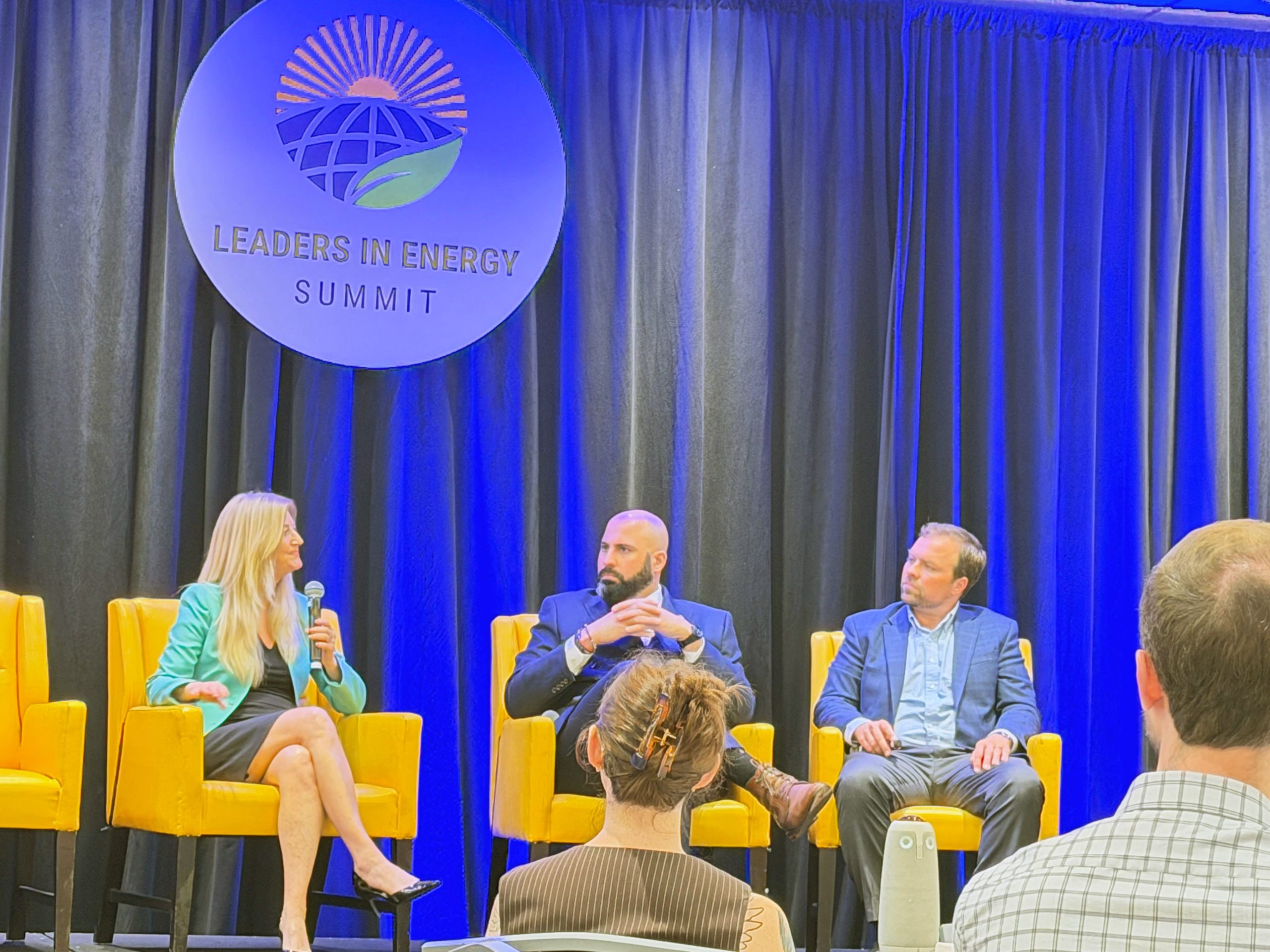
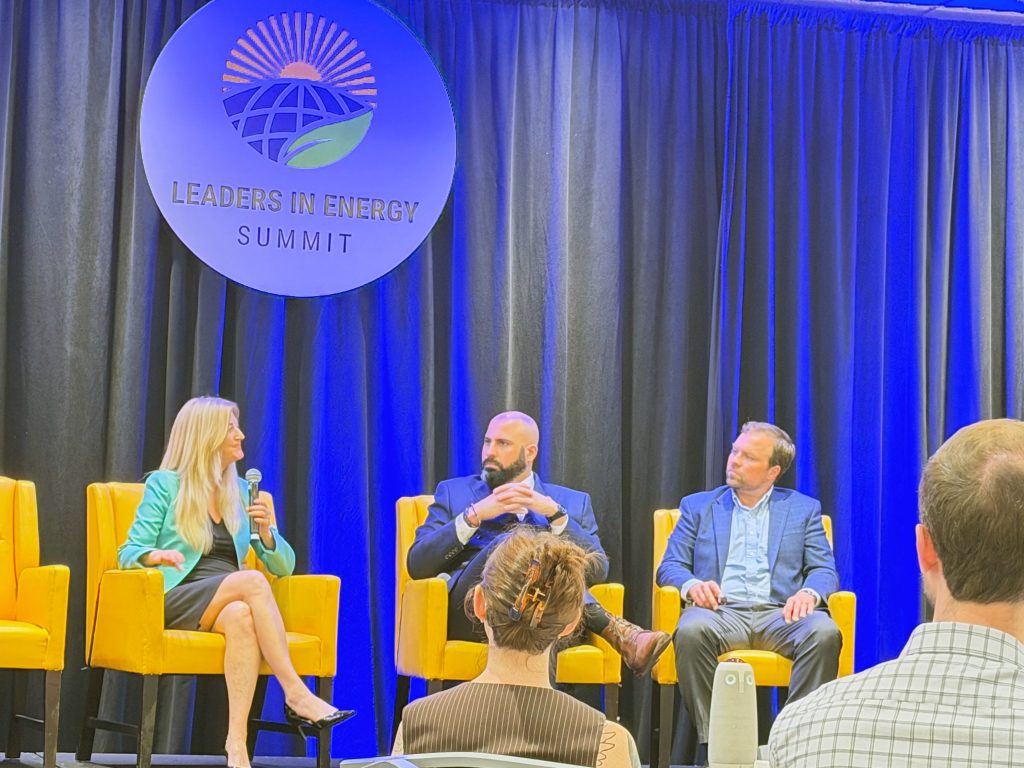
On June 4, 2026, industry leaders gathered in Ontario, California, for the 5th Annual Leaders in Energy Summit to discuss the future of energy, infrastructure, and emerging technologies.
Among the featured speakers was Kimberly Benson, Administrator of the UAS Center at SBD (San Bernardino International Airport), who joined leaders from economic development, artificial intelligence, hydrogen energy, and critical infrastructure sectors to explore how autonomous systems are helping strengthen infrastructure operations and community resilience.
While drones were part of the discussion, the larger focus was on how emerging technologies can improve infrastructure reliability, strengthen disaster response, and address workforce challenges.
Where Innovation Meets Real World Operations
During the panel, Benson explained that the UAS Center at SBD was established with three primary objectives:
- Advancing drone technology
- Creating safer communities
- Building the future workforce
As Benson told attendees, "We have three major objectives. The first is advancing drone technology. Secondly, to create safer communities. And then thirdly, to build the workforce."
Over the past six years, those objectives have helped position the UAS Center at SBD as a national resource for testing, validation, training, and industry collaboration.
A key asset is the Center's FAA-recognized test range. Unlike many drone testing locations in remote areas, the UAS Center at SBD operates in an environment that includes airport operations, urban areas, mountainous terrain, conservation lands, and critical infrastructure. This allows companies to evaluate technologies in conditions that closely resemble where they will eventually be deployed.
As artificial intelligence, advanced sensors, and autonomous operations continue to evolve, organizations need places where new systems can be tested safely before entering service.
Benson highlighted that need during the discussion, noting that "What's needed now technologically is space for drones to be tested and validated to see if they're airworthy in areas that are quite complex."
Drones and the Future of Critical Infrastructure
A recurring theme throughout the summit was the growing role of autonomous systems in supporting critical infrastructure.
Utilities, energy providers, airports, and emergency management organizations are exploring how drones can improve inspections, monitor infrastructure, assess damage after disasters, and help teams make faster decisions.
Panelists also discussed how artificial intelligence can improve situational awareness and how technologies such as hydrogen-powered systems may extend operational endurance for future autonomous missions.
As these technologies mature, testing, validation, and workforce development become increasingly important. Organizations like the UAS Center at SBD help bridge the gap between innovation and real-world deployment.
Why the Virginia Partnership Matters
One of the most significant topics discussed during the session was the growing partnership between the UAS Center at SBD and organizations in Virginia.
Karen Jackson, former Virginia Secretary of Technology and Founder and CEO of Apogee Strategic Partners, described the establishment of the Cardinal Center for Autonomy and Energy, an energy sector-focused UAS center in the Virginia’s Tobacco Region, supporting critical infrastructure, energy resilience, disaster response, workforce development, and rural economic growth.
The initiative brings together utilities, universities, government agencies, and technology companies to explore how autonomous systems can improve the safety, efficiency, and reliability of critical infrastructure.
The Virginia initiative serves as a real-world example of how organizations can work together to accelerate the adoption of autonomous technologies. The UAS Center at SBD is helping support that effort through expertise in testing, training, validation, and operational development.
Partnerships Drive Progress
Another major takeaway from the summit was the importance of collaboration.
Each panelist represented a different part of the innovation ecosystem. Economic development leaders discussed regional growth opportunities. Technology companies highlighted advancements in artificial intelligence. Energy leaders explored hydrogen infrastructure and future energy systems. The UAS Center at SBD represented the operational environment where many of these technologies can be tested and validated.
Together, these discussions demonstrated how autonomous systems, artificial intelligence, energy innovation, workforce development, and critical infrastructure protection are becoming increasingly interconnected.
Building the Workforce for the Future
Technology alone will not determine the success of autonomous systems.
A skilled workforce is equally important.
Benson highlighted the UAS Center at SBD’s commitment to workforce development through programs that prepare students, young professionals, public agencies, and industry partners for careers involving unmanned systems.
To date, the UAS Center at SBD has trained 450 drone pilots and continues expanding opportunities for future operators and technology professionals.
As drones become more integrated into energy, infrastructure, transportation, and public safety operations, the need for qualified personnel will continue to grow.
Looking Ahead
The Leaders in Energy Summit demonstrated that autonomous systems are becoming an increasingly important part of conversations surrounding energy, infrastructure, public safety, and economic development.
The session showed that drones are no longer viewed as standalone technologies. They are becoming tools that help inspect, protect, and restore critical systems more safely and efficiently.
Through its testing capabilities, workforce development programs, industry partnerships, and operational expertise, the UAS Center at SBD continues to help shape how these technologies move from concept to real-world deployment.